Why You Need a Backup Generator This Fall
Fall storms and early snow can leave you without heat, water or a working fridge. Here's why now is the best time to get a backup generator, and how to pick the right size for your home.
4 min read
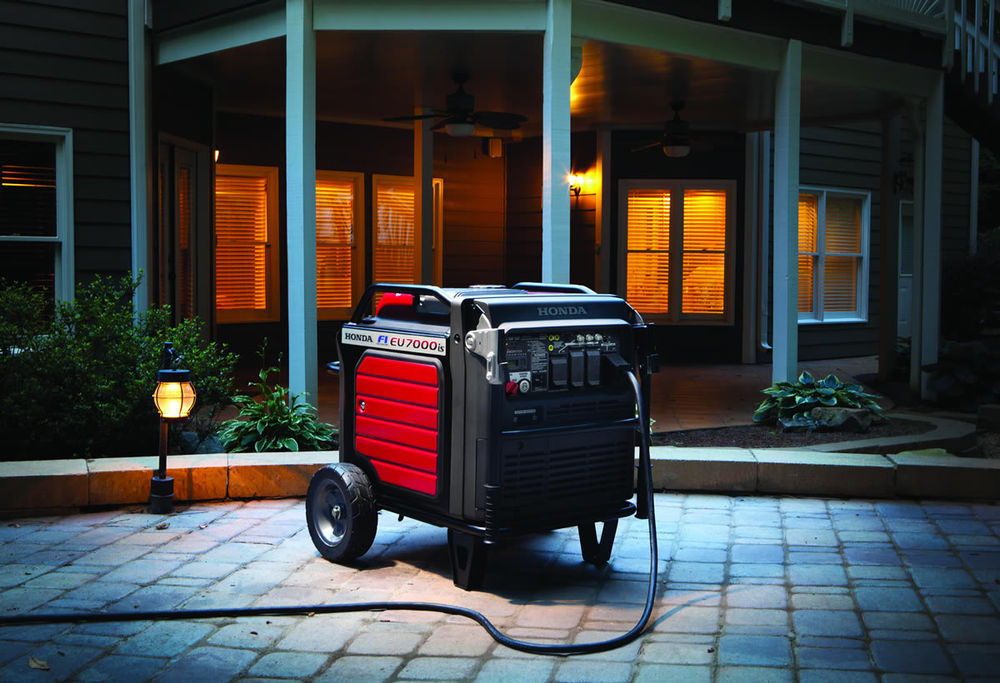
The leaves are falling, the days are getting shorter and storm season is about to start. Between autumn windstorms, freezing rain and the first heavy snowfalls, power outages are part of life in many parts of Canada, and they rarely come at a convenient time. A backup generator keeps your home running when the grid goes down. Here's why fall is the right time to get one.
1. Fall and Winter Storms Bring Down Power Lines
Strong autumn winds snap branches and topple trees onto power lines. Freezing rain coats wires and trees in heavy ice. And an early snowfall is especially hard on the network: wet, heavy snow piles up on trees that still have their leaves, until the branches give way. Utility crews work fast, but when the damage is widespread, some homes, especially in rural areas, can wait hours or even days to get their power back.
2. No Power Often Means No Heat
Many homeowners are surprised to learn that a natural gas or oil furnace stops working during an outage. The fuel is still there, but the blower fan, the ignition and the controls all need electricity. When it's cold outside, a house loses its heat quickly, and frozen pipes become a real risk. A backup generator connected through a transfer switch keeps the furnace running and the family comfortable.
The same goes for the sump pump in your basement, which you need most during heavy fall rains and the spring thaw, and for the well pump if your home isn't on a municipal water supply.
3. Protect the Food in Your Fridge and Freezer
A full freezer keeps food frozen for about two days if you keep the door closed, but a refrigerator only stays cold for about four hours. After a long outage, that can mean throwing away a lot of groceries. A generator that can run the fridge and the freezer quickly pays for itself.
4. Stay Connected, Even in the Dark
Lights, internet, phone chargers, a laptop for working from home: during an outage, staying connected matters, to follow the news, reach your family and know when the power will be back. Inverter generators produce clean, stable power that is safe for sensitive electronics. If someone in your home relies on medical equipment, talk to your equipment supplier about the right backup solution.
5. Fall Is the Best Time to Buy
Waiting for the first storm warning is the most stressful way to buy a generator. When a big storm is in the forecast, demand jumps and popular models can be hard to find. Buying in the fall gives you:
- the widest choice of models;
- time to have a transfer switch installed by a licensed electrician, if you want to power the furnace or other hard-wired equipment;
- time to unpack your generator, read the manual and test it with a load before you really need it;
- time to get heavy-duty outdoor extension cords, approved fuel containers and fuel stabilizer.
How Big a Generator Do You Need?
It depends on what you want to keep running at the same time:
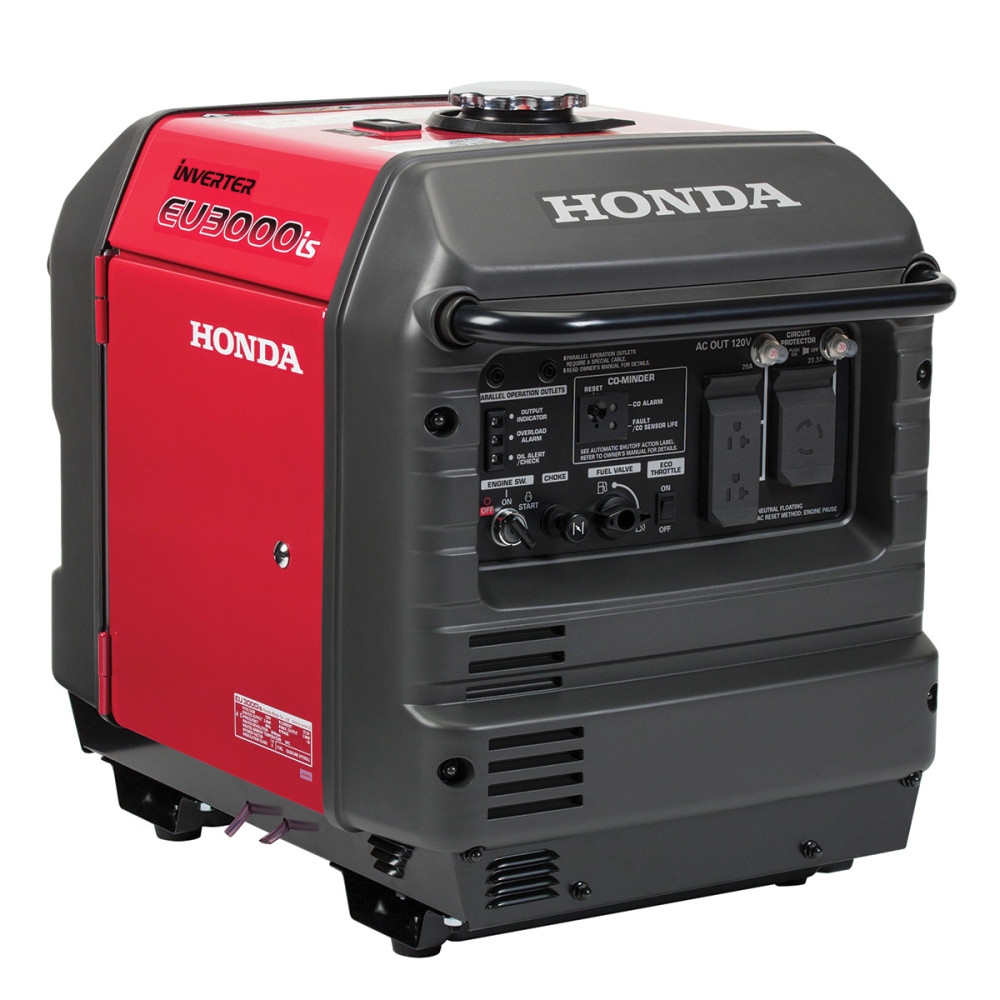
- The essentials (refrigerator, lights, internet and TV): about 3,000 W at start-up is enough. The Ultra-Quiet 3000i ES delivers 2,800 W rated and 3,000 W max, starts at the push of a button and runs up to 19.6 hours at 1/4 load.
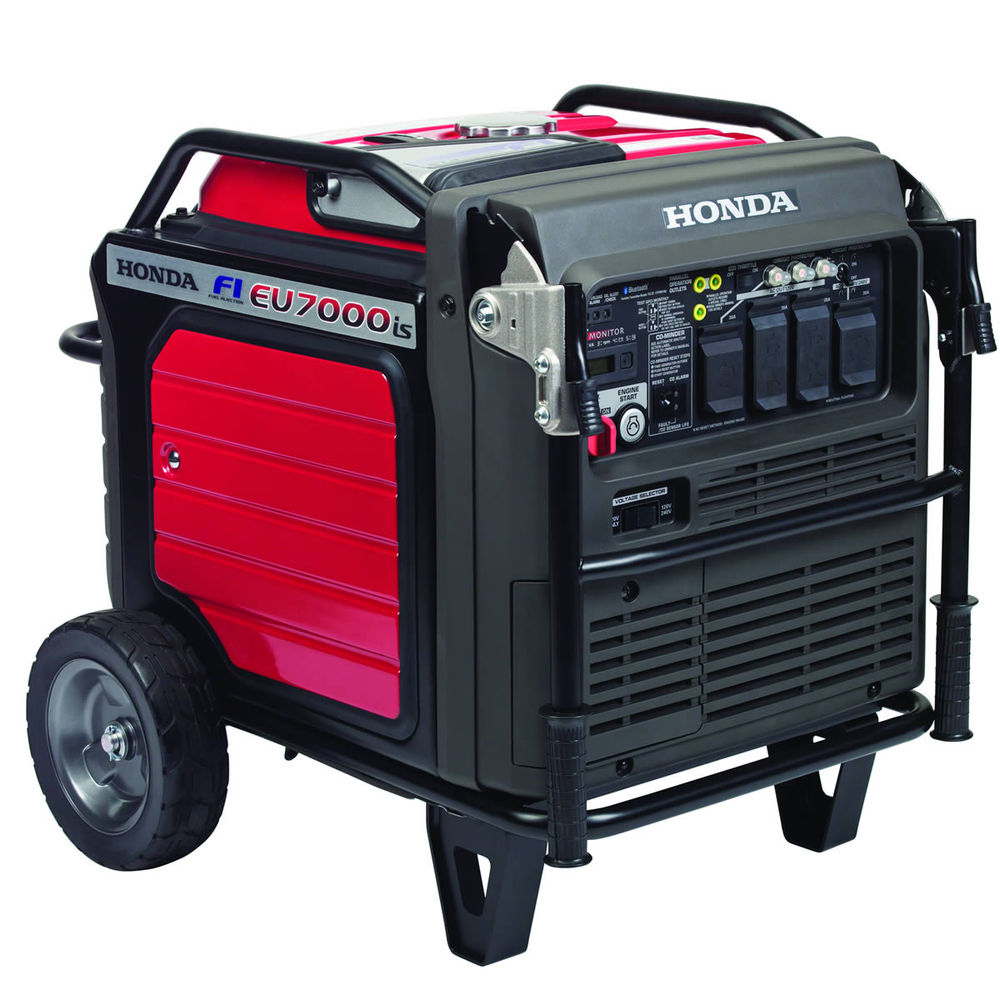
- Most of the house, including the furnace blower and a 240V well pump: plan for 5,000 W or more. The Ultra-Quiet 7000i ES delivers 5,500 W rated and 7,000 W max, with 120/240V output, electric start and up to 16 hours at 1/4 load.
Every Honda generator in our catalogue is an inverter model with CO-Minder, which automatically shuts the engine off if carbon monoxide builds up to a dangerous level around the generator.
Bonus: It's Not Just for Outages
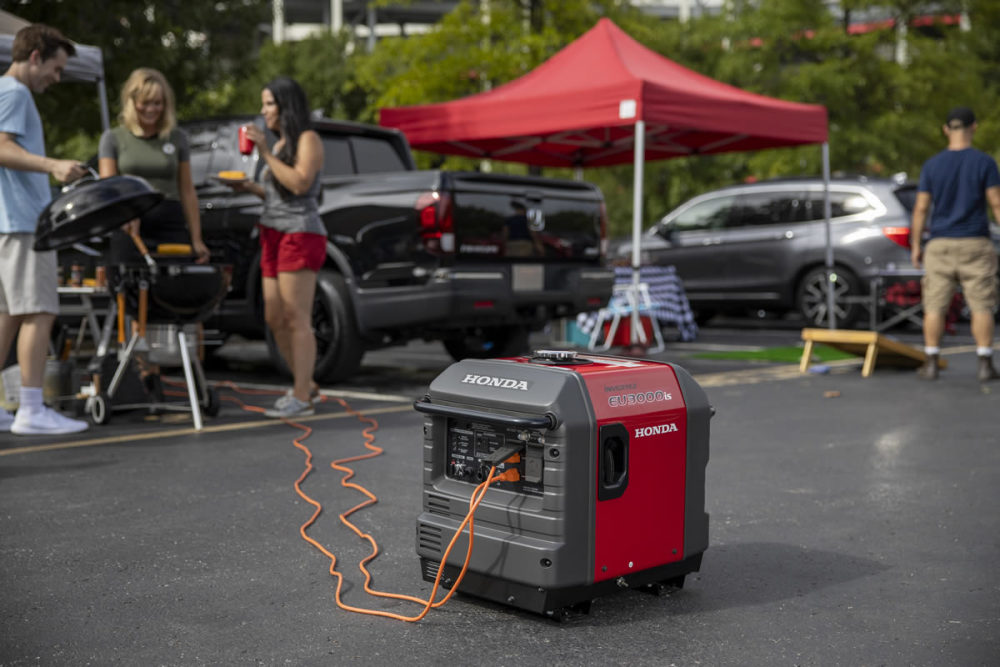
Between storms, your generator doesn't have to sit in the shed. Take it to the cottage, on a camping trip, to a tailgate party or to a work site with no outlet nearby. A quiet inverter generator quickly becomes a tool you use all year.
Use Your Generator Safely
- Never run a generator indoors, in the garage or in a shed, even with the door open. Keep it outdoors, well away from doors, windows and vents.
- Install carbon monoxide alarms on every level of your home.
- Never plug a generator into a wall outlet. Use a transfer switch installed by a licensed electrician, or plug your appliances directly into the generator.
- Refuel only when the engine is off and cool.
Power outages are hard to predict, but being ready is easy. Get your generator now, test it, and face the next storm with peace of mind. Browse all our generators and find the right backup generator for your home.